Precision Welding: Driving Automotive Innovation from Fuel Tanks to EV Batteries
In today’s automotive manufacturing landscape, welding isn’t just a production step—it’s a strategic enabler of safety, efficiency, and electrification. From fuel tank durability to EV battery performance, the right welding technology transforms how vehicles are built. Here’s how leading welding solutions are solving real-world challenges across key automotive applications:
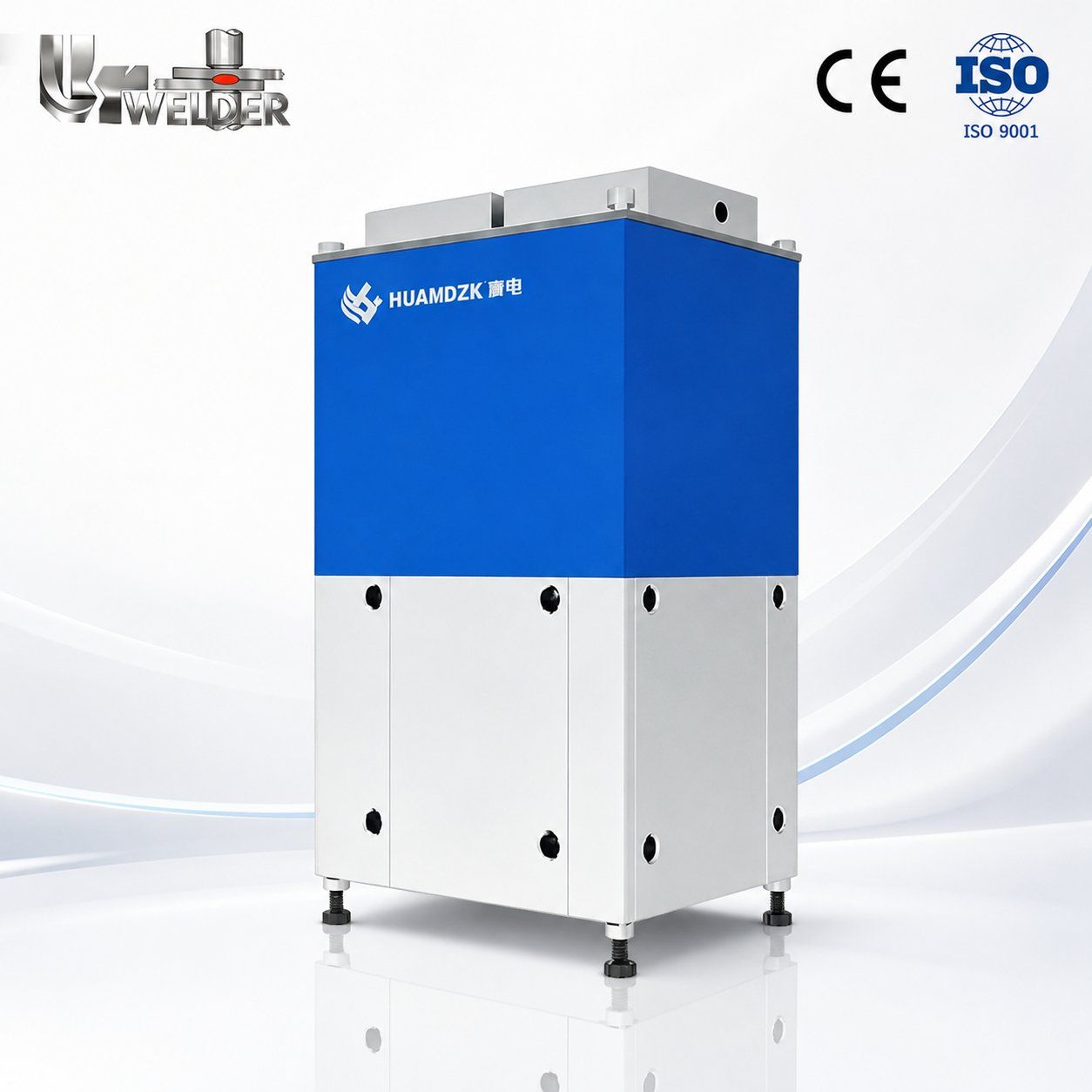
Fuel Tank Resistance Welding: Leak-Proof Performance in Demanding Environments
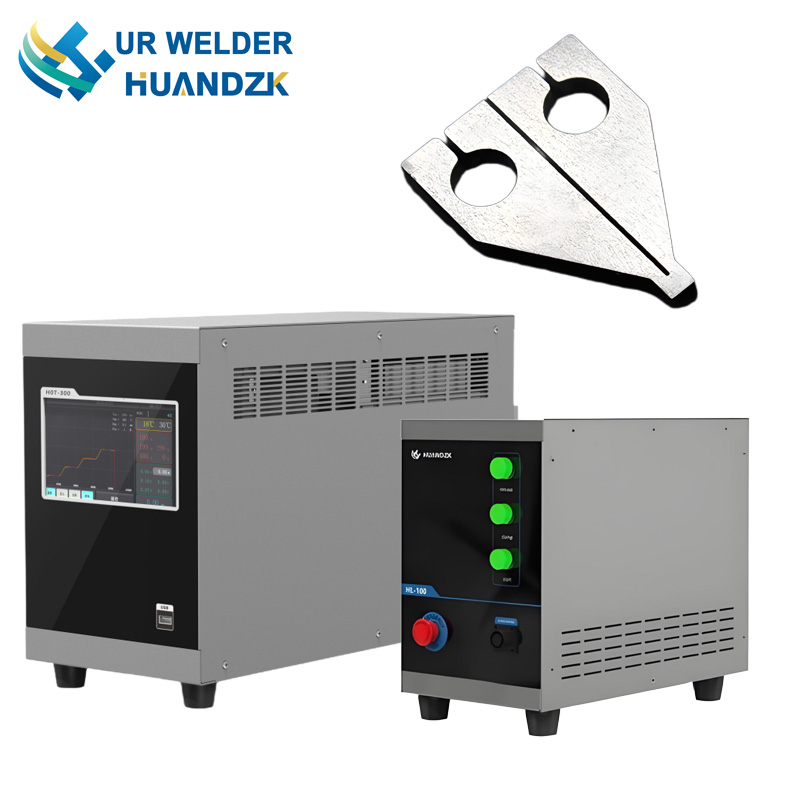
Fuel tanks endure extreme pressure, temperature fluctuations, and corrosive conditions—making resistance welding the backbone of reliable assembly. By precisely controlling current and clamping force, this process creates molecular bonds that eliminate weak points, ensuring tanks meet 10+ year durability targets. Modern systems integrate adaptive pulse technology to handle mixed materials like stainless steel and aluminum alloys, while in-line pressure testing reduces post-assembly rejects by 22%. For automakers, this means lower warranty costs and compliance with global safety standards like FMVSS 301.
Door Frame Spot Welding: Speed Without Sacrificing Fit
Door frames demand both structural rigidity and perfect alignment for seamless operation. Spot welding delivers here with unmatched efficiency: robotic cells achieve 60+ welds per minute, with electrode force monitoring ensuring consistent joint strength across high-volume production runs. New servo-driven weld guns reduce electrode wear by 35%, cutting tooling costs, while vision-guided positioning corrects part variation in real time—critical for aligning door hinges and weather seals. Doors that close with precision, reducing wind noise and improve customer satisfaction.
Automotive Body Assembly: Lightweighting Meets Crash Safety
Body-in-white (BIW) welding is a balancing act: joining high-strength steel, aluminum, and composites to slash weight while boosting crash performance. Laser hybrid welding excels here, creating narrow, high-strength seams for critical areas like A-pillars and roof rails. Paired with collaborative robots, these systems handle complex 3D weld paths for curved surfaces, while AI-powered process control adjusts parameters on-the-fly to compensate for material thickness variations. For example, a European automaker reduced BIW weight by 18% using this approach, improving fuel efficiency without compromising 5-star crash ratings.
EV Battery Spot Welding: Powering Reliability in High-Voltage Systems
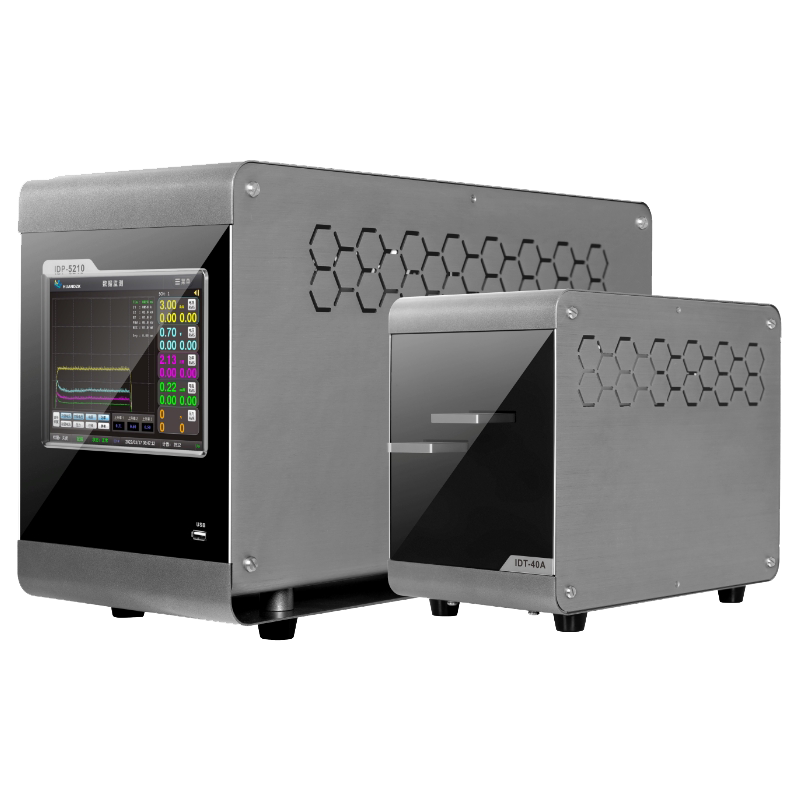
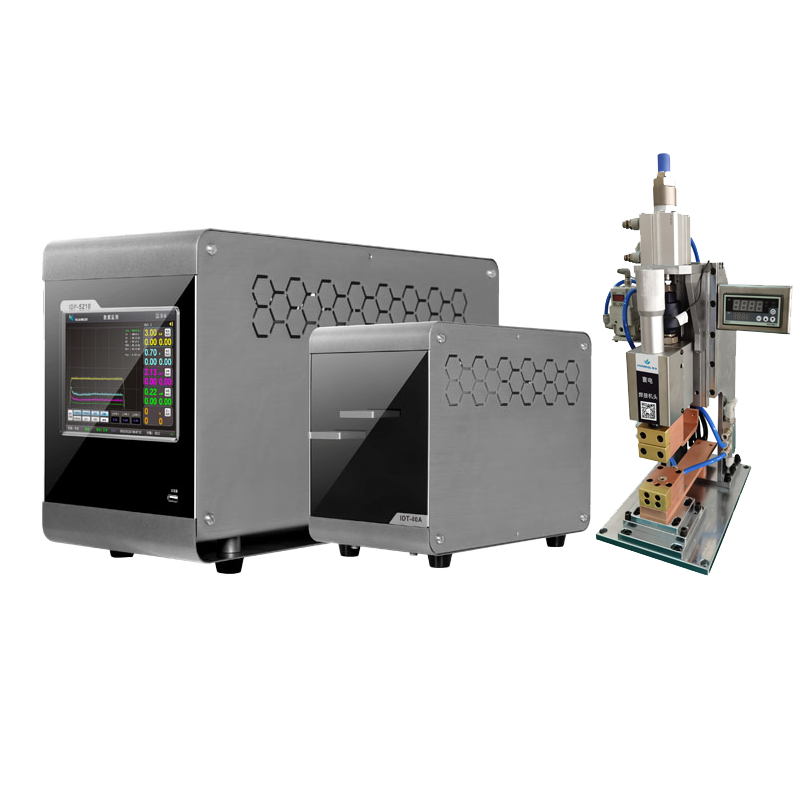
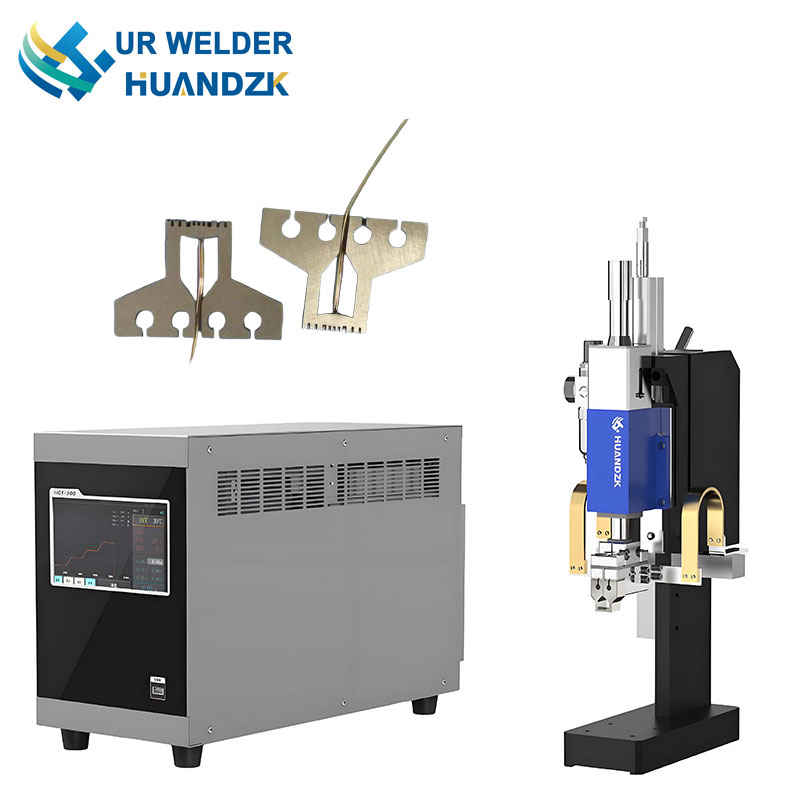
EV batteries are the heart of electric vehicles, and their welding quality directly impacts range, safety, and longevity. Spot welding shines in tab-to-busbar connections, where microsecond-level heat control prevents thermal damage to lithium-ion cells. Advanced systems use ultrasonic monitoring to measure weld nugget formation in real time, ensuring each connection meets conductivity and mechanical strength specs. A leading battery OEM recently deployed this technology, reducing battery pack failure rates by 40% and extending cell life by 250+ charge cycles.
Battery Tab Welding: Micro-Precision for Maximum Energy Transfer
Thin copper and aluminum tabs (0.1–0.3mm) require welding solutions that balance strength and conductivity. Ultrasonic welding delivers here, using high-frequency vibrations to create solid-state bonds without melting—eliminating brittle intermetallic compounds. Automated cells with laser alignment achieve ±5μm positioning accuracy, critical for stacking hundreds of tabs in tight battery modules. For battery manufacturers, this translates to 99.7% first-pass yield and 30% faster changeover between cell designs, accelerating time-to-market for new EV models.
Why Partner With Us?
Our welding technologies are engineered for the automotive industry’s toughest demands:
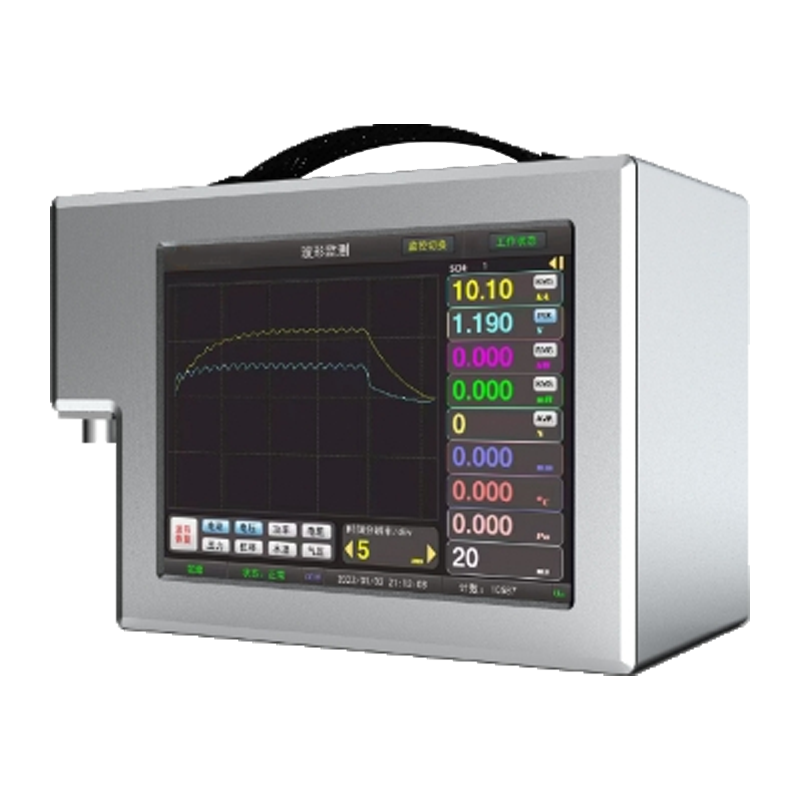
Adaptive Intelligence: Real-time process monitoring reduces defects by 28% vs. conventional systems.
Material Flexibility: Weld aluminum, steel, copper, and coated alloys with minimal retooling.
Sustainability: Energy-efficient power supplies cut carbon footprints by 15% per vehicle.
Scalability: Modular designs grow with production volumes, from pilot lines to 100k+ unit annual capacity.
Case Example: EV Battery Plant Efficiency Boost
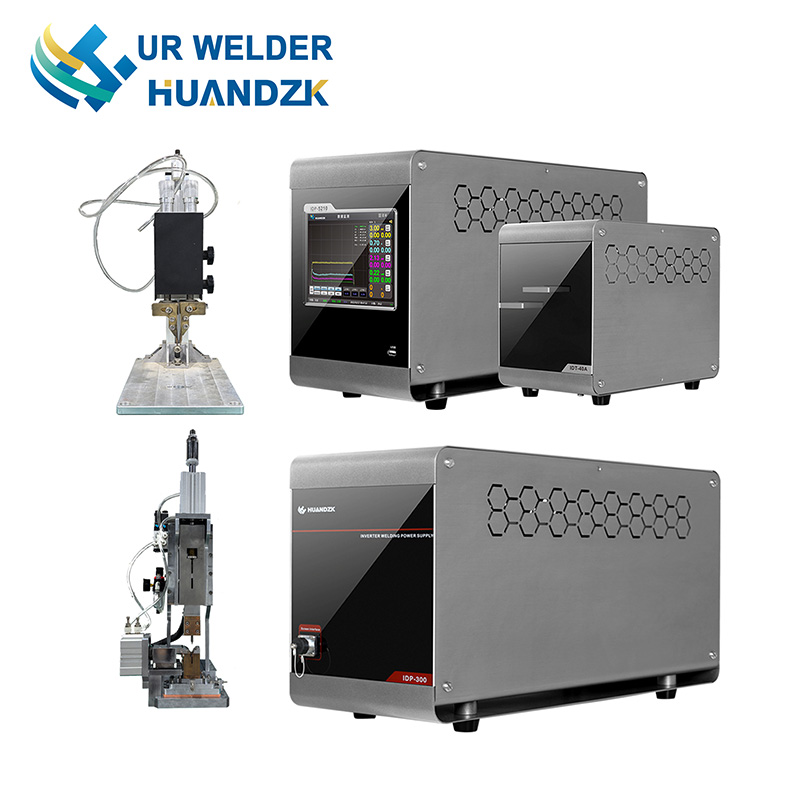
A North American EV manufacturer replaced outdated resistance welders with our UHF spot welding systems for battery tab assembly. The upgrade reduced cycle time by 22%, eliminated 90% of manual rework, and improved overall equipment effectiveness (OEE) from 65% to 89%—supporting a 50% production ramp-up in six months.
Elevate Your Welding Operations Today
Whether you’re building internal combustion vehicles or next-gen EVs, our welding solutions deliver the precision, speed, and reliability to stay ahead. From fuel tank resistance welding to EV battery tab welding, we’re your partner in automotive manufacturing excellence.