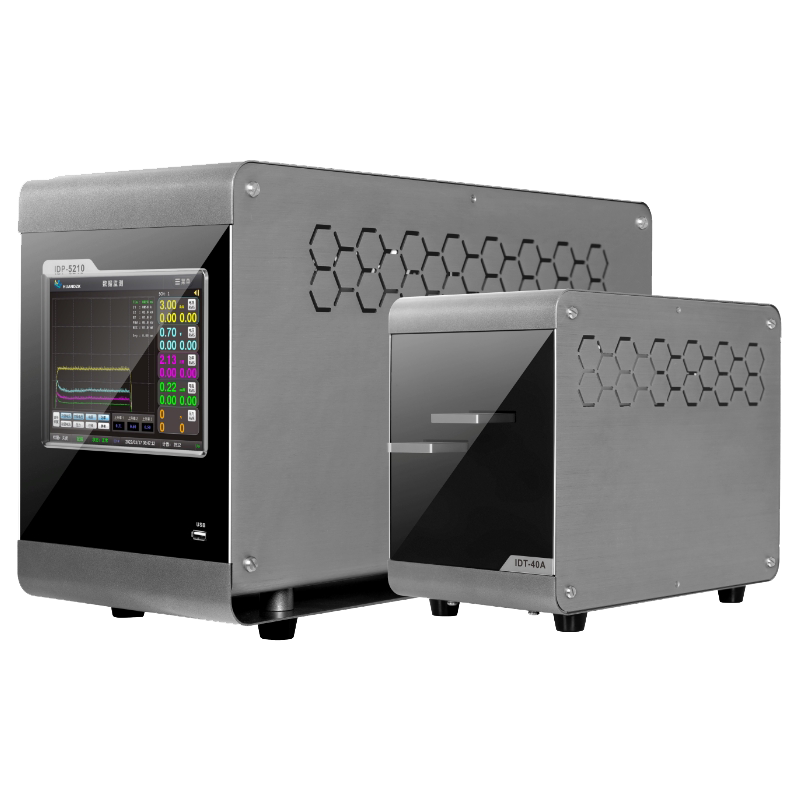
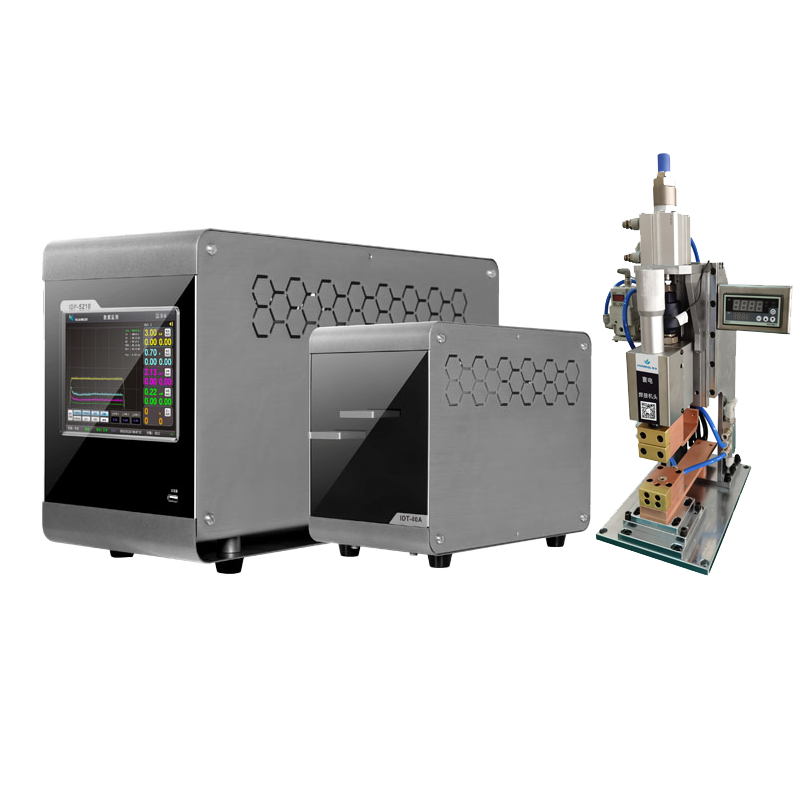
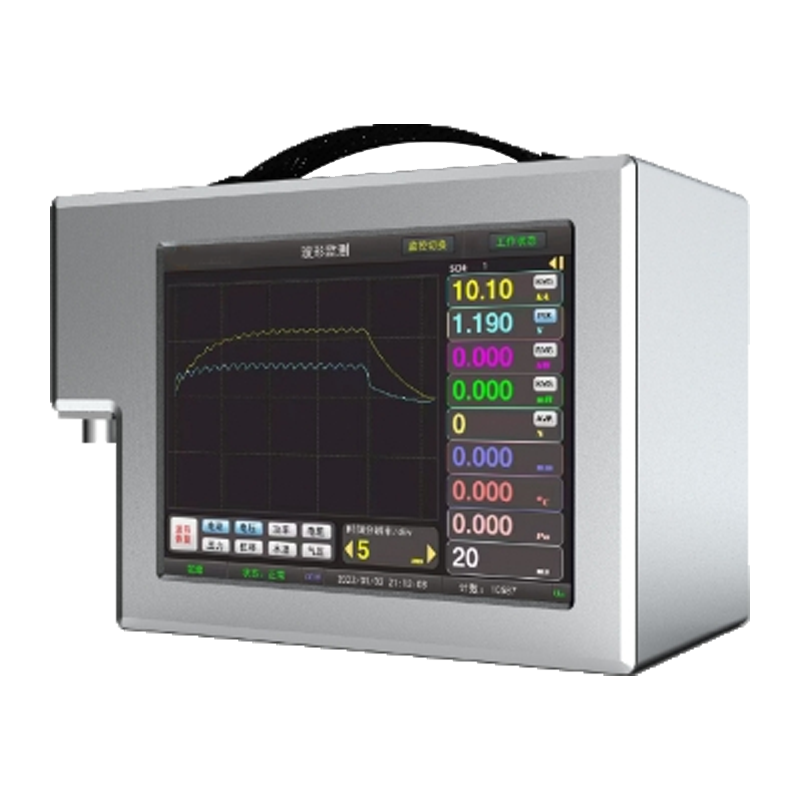
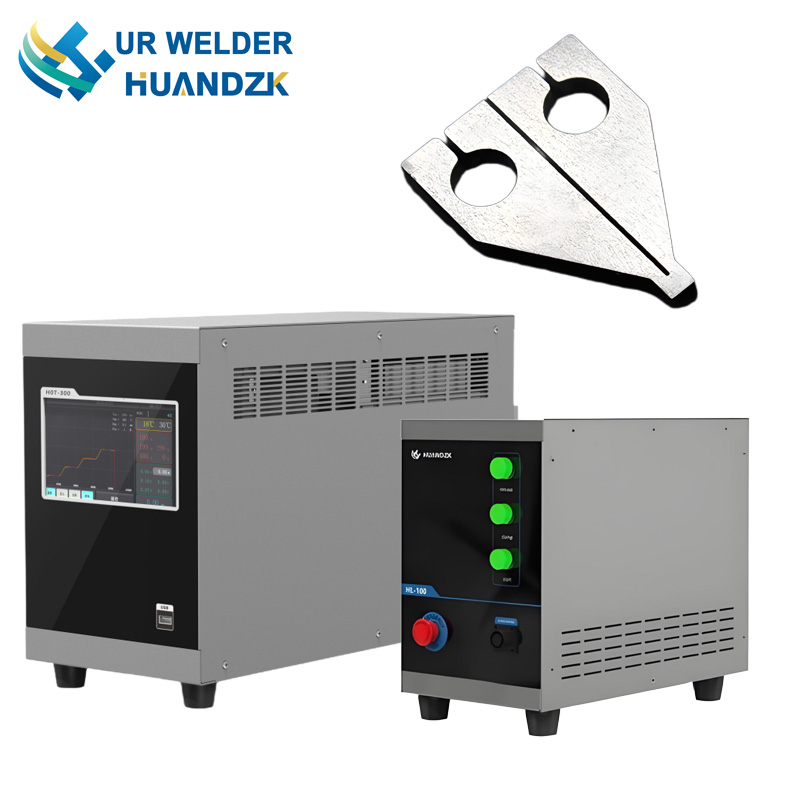
In modern resistance welding production, product quality is no longer judged solely by appearance or destructive testing. Manufacturers increasingly rely on real-time data, traceability, and process consistency to ensure weld integrity. A professional nut HD-400B-all-rounds-comprehensive-welding-monitor.html">welding monitoring system, combined with advanced seam welding quality control, a reliable capacitor discharge welding monitor, a high-resolution micro spot welding quality tester, and an intelligent inverter resistance welder monitor, forms the foundation of a controlled and repeatable welding process.
A nut welding monitoring system is essential in projection welding applications where threaded fasteners are joined to sheets or structural parts. Nut welding requires precise coordination of current, pressure, and time. Even small deviations can result in weak welds, thread damage, or expulsion. A nut welding monitoring system continuously records welding current, voltage, power, and dynamic resistance, allowing real-time judgment of each weld. By comparing measured values against preset windows, the nut welding monitoring system can immediately detect missing nuts, reversed nuts, insufficient heat input, or electrode wear, significantly reducing rework and field failures.
In continuous joining applications, seam welding quality control plays a critical role. Seam welding is widely used in fuel tanks, battery enclosures, pipes, and sealed containers where leak-tight performance is mandatory. Seam welding quality control focuses on monitoring continuous current stability, welding speed, electrode force, and thermal consistency along the entire seam. Unlike spot welding, defects in seam welding may occur gradually, making visual inspection unreliable. Seam welding quality control systems provide continuous feedback, enabling operators to identify abnormal heat accumulation, electrode misalignment, or contact instability before defects propagate.
For high-energy, short-duration processes, a capacitor discharge welding monitor is indispensable. Capacitor discharge welding relies on stored energy released in a very short pulse, making precise monitoring more challenging than conventional resistance welding. A capacitor discharge welding monitor captures fast transient signals such as peak current, discharge time, and actual delivered energy. By analyzing these parameters, the capacitor discharge welding monitor ensures that each weld meets the required energy profile, especially in stud welding, wire welding, and small fastener applications where consistency is critical.
In precision manufacturing, a micro spot welding quality tester is widely used for fine components and sensitive materials. Micro spot welding is common in electronics, sensors, medical devices, and battery connections, where weld sizes are small and tolerances are extremely tight. A micro spot welding quality tester provides high-speed sampling and high-resolution measurement of current and voltage, allowing accurate evaluation of nugget formation. Through trend analysis and waveform comparison, the micro spot welding quality tester helps detect issues such as unstable contact, oxidation, or material variation that would otherwise go unnoticed.
As inverter-based power supplies become standard, the role of an inverter resistance welder monitor has become increasingly important. Inverter resistance welding offers fast response, high efficiency, and precise control, but it also requires advanced monitoring to fully realize its benefits. An inverter resistance welder monitor synchronizes with the inverter switching characteristics, accurately capturing real-time electrical data. This enables precise assessment of welding behavior, especially during multi-stage or adaptive welding programs. The inverter resistance welder monitor also supports integration with factory networks, enabling centralized data collection and process optimization.
When these monitoring solutions are combined, they create a comprehensive welding quality assurance framework. A nut welding monitoring system ensures fastener integrity, seam welding quality control guarantees continuous weld reliability, a capacitor discharge welding monitor secures high-energy pulse consistency, a micro spot welding quality tester protects delicate assemblies, and an inverter resistance welder monitor delivers precise data for advanced power supplies. Together, they transform welding from an experience-based operation into a data-driven manufacturing process.
From a production management perspective, welding monitoring systems provide additional value through traceability and compliance. Welding data can be stored, analyzed, and linked to specific parts or batches, supporting quality audits and customer requirements. Early detection of abnormal trends reduces downtime, prevents mass defects, and extends electrode life, resulting in measurable cost savings.
In conclusion, welding quality monitoring is no longer optional in competitive manufacturing environments. The integration of a nut welding monitoring system, seam welding quality control, a capacitor discharge welding monitor, a micro spot welding quality tester, and an inverter resistance welder monitor enables manufacturers to achieve stable processes, consistent weld quality, and long-term reliability. This comprehensive monitoring approach is essential for meeting modern quality standards across automotive, electronics, battery, and industrial applications.