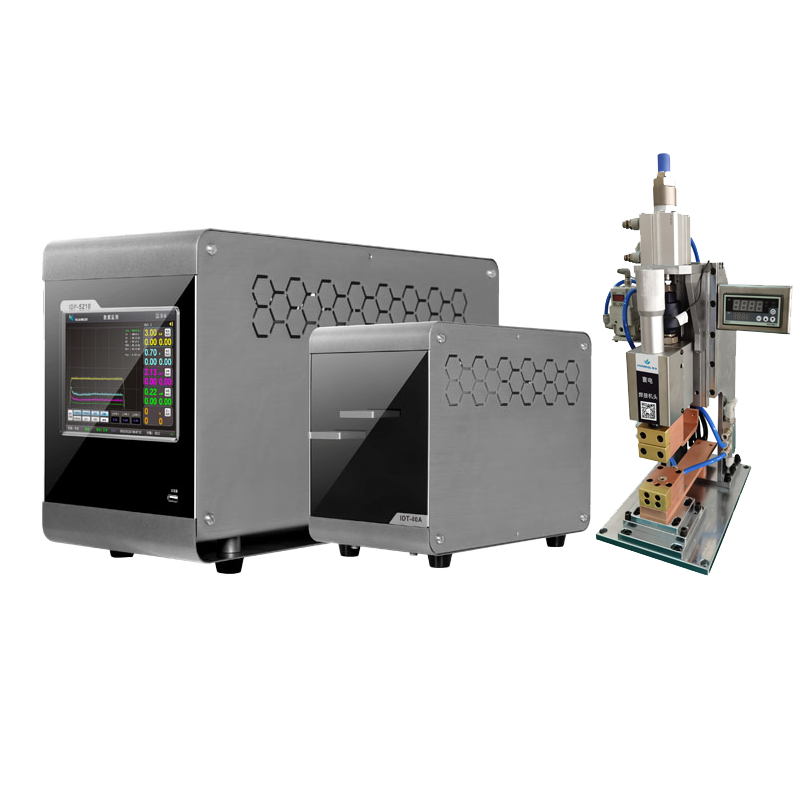
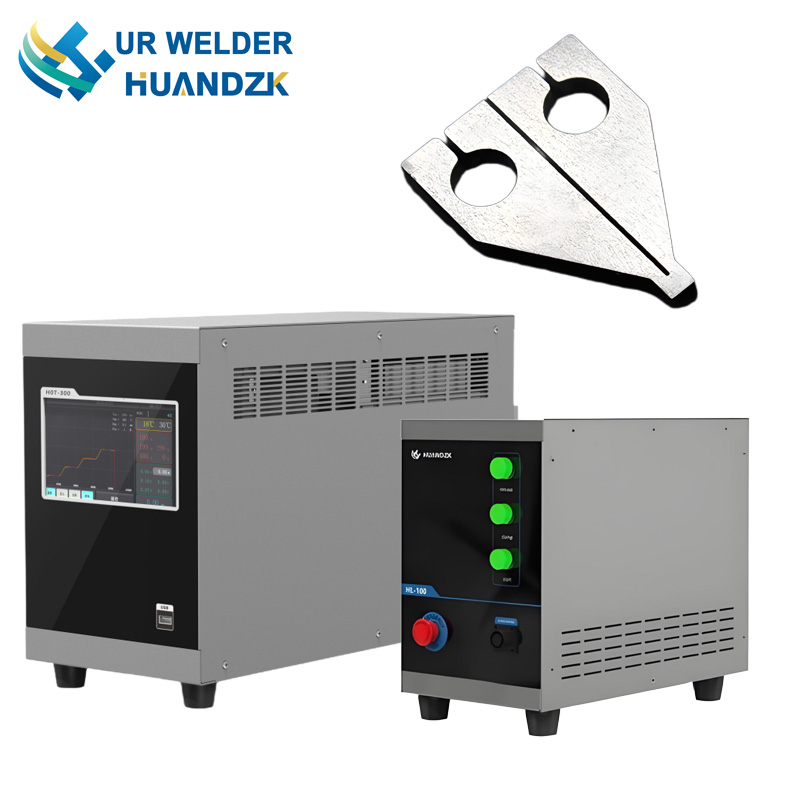
Pulse hot press welding has become one of the most widely adopted micro-joining solutions in modern electronic manufacturing, especially as components continue to shrink and require extremely stable thermal control. The core of pulse hot press welding lies in its ability to deliver rapid, programmable heating through a precision hot bar and apply uniform pressure to achieve strong, consistent bonding. With tighter design tolerances in smartphones, sensors, displays, cameras, and battery modules, the demand for more advanced pulse hot press welding processes is growing across global production lines.
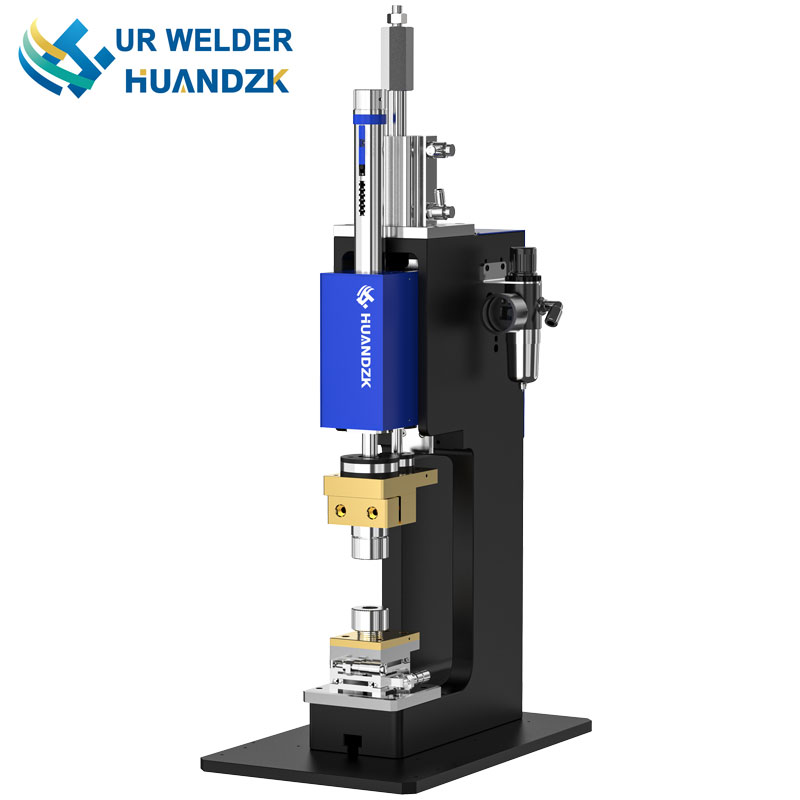
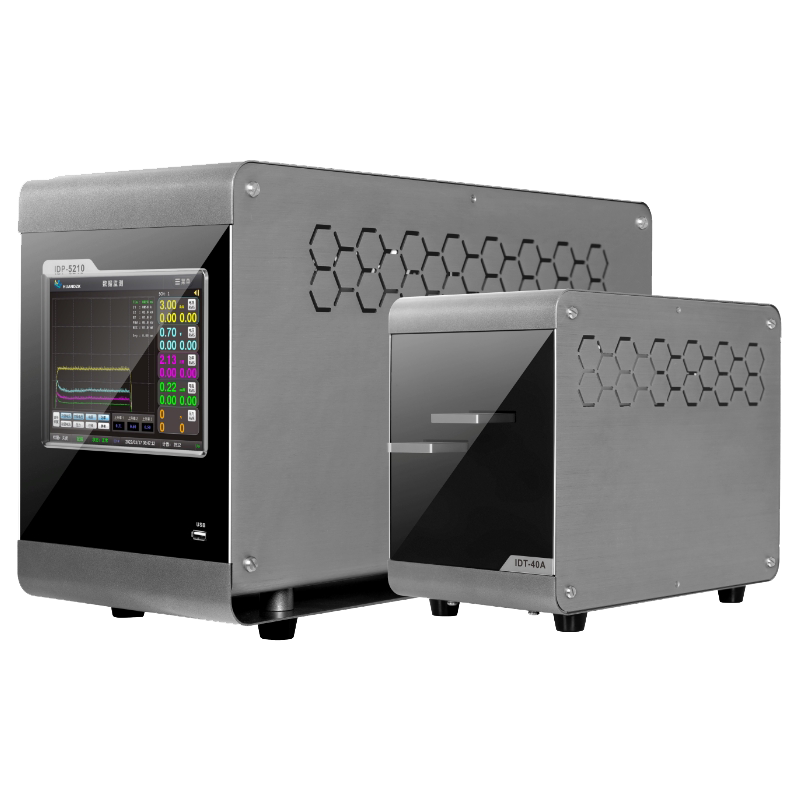
Compared with traditional soldering or manual thermal methods, pulse hot press welding offers smoother temperature curves, faster rise times, and significantly better process repeatability. These advantages make it the preferred method for joining fine-pitch flexible circuits, micro-connectors, and sensitive electronic modules. In parallel, manufacturers often integrate a high-performance thermal bonding machine that ensures accurate temperature feedback, time control, and pressure calibration throughout the bonding cycle. A modern thermal bonding machine typically includes closed-loop temperature algorithms, fast pulse heating modules, and multi-stage cooling profiles to maintain consistency in mass production environments.
Another essential technique commonly paired with pulse heating technology is precision hot bar welding, which is ideal for components that require stable thermal conductivity and uniform compression. Precision hot bar welding uses a customized alloy welding head designed to provide controlled heat distribution across the bonding interface. By combining pulse hot press welding and precision hot bar welding, manufacturers achieve higher strength joints while minimizing the risk of overheating delicate substrates such as polyimide, PET, or glass fiber laminates.
A major application of these technologies is flex cable soldering, which is critical for smartphones, foldable displays, laptops, medical sensors, automotive cameras, and various compact modules. As circuits become thinner and pad spacing becomes narrower, traditional hand soldering cannot meet the required accuracy or consistency. Flex cable soldering using pulse hot press welding offers precise thermal input without excessive melt flow, ensuring that micro-pads are bonded reliably without bridging or delamination. This approach also reduces rework rates, enabling OEMs to maintain high throughput and low defect levels.
Underlying all these techniques is the ongoing demand for more advanced micro-joining technology. Miniaturized components—such as MEMS sensors, ultra-fine pitch connectors, semiconductor packaging modules, and IoT chip assemblies—require joining methods that deliver both mechanical strength and electrical continuity without damaging internal structures. Micro-joining technology based on pulse hot press welding supports programmable pressure ramps, controlled heating gradients, and intelligent process monitoring. This ensures that each weld cycle achieves stable metallurgical bonding, even at micron-level alignment requirements.
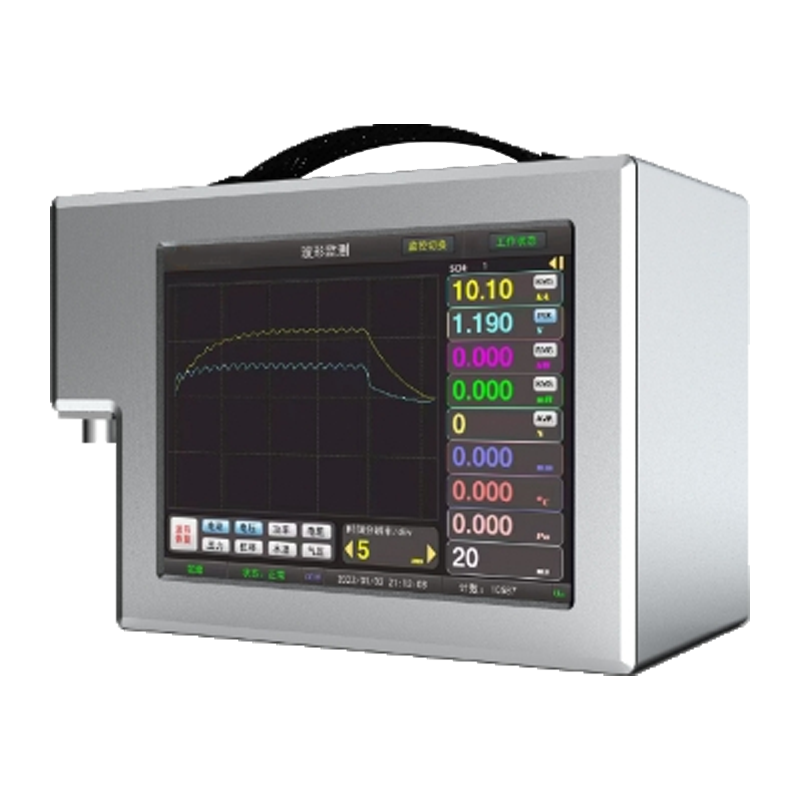
A significant advantage of combining pulse hot press welding, thermal bonding machine systems, precision hot bar welding, flex cable soldering, and advanced micro-joining technology is the ability to standardize quality control. Process data such as temperature curves, pressure profiles, heating rates, and cooling times can be recorded for every weld cycle. This helps manufacturers optimize process windows, reduce variability, and maintain full traceability for high-volume electronics production.
Additionally, environmentally sensitive industries increasingly prefer pulse-based bonding because it eliminates the need for flux or excessive solder material. It also reduces thermal stress on components, extending product longevity. Whether used in consumer electronics, automotive electronics, aerospace modules, or medical devices, pulse-based welding techniques continue to play a central role in ensuring reliability, durability, and high manufacturing yield.
In summary, pulse hot press welding is an essential process in advanced electronics manufacturing. When paired with a high-precision thermal bonding machine, stable precision hot bar welding systems, optimized flex cable soldering, and intelligent micro-joining technology, it delivers unmatched performance for today’s compact and high-density electronic assemblies. As electronic products continue to evolve toward smaller, lighter, and more complex designs, these five technologies will remain critical in achieving strong, consistent, and reliable interconnections across modern production environments.