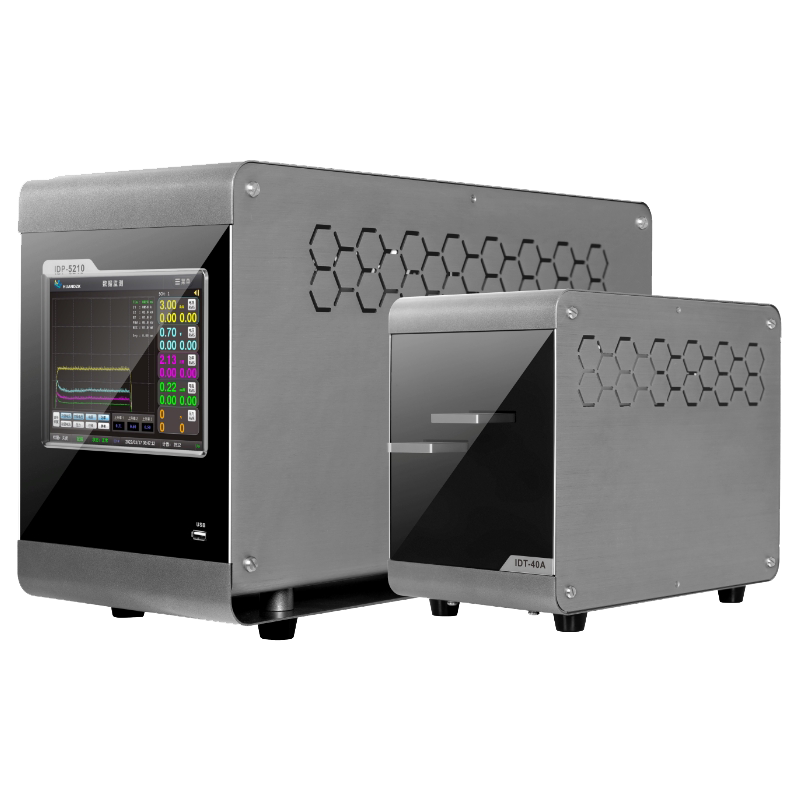
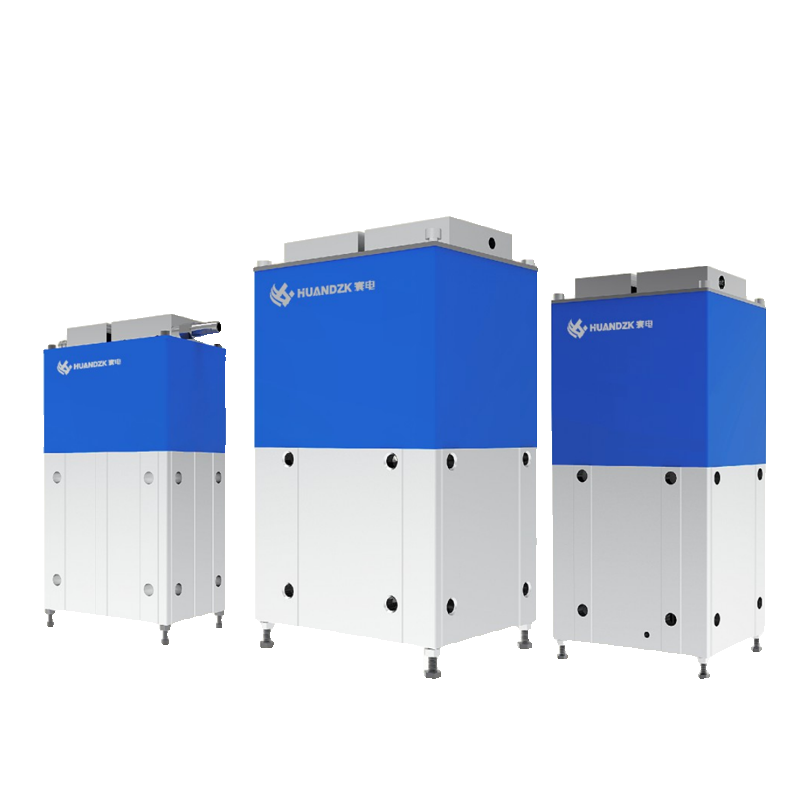
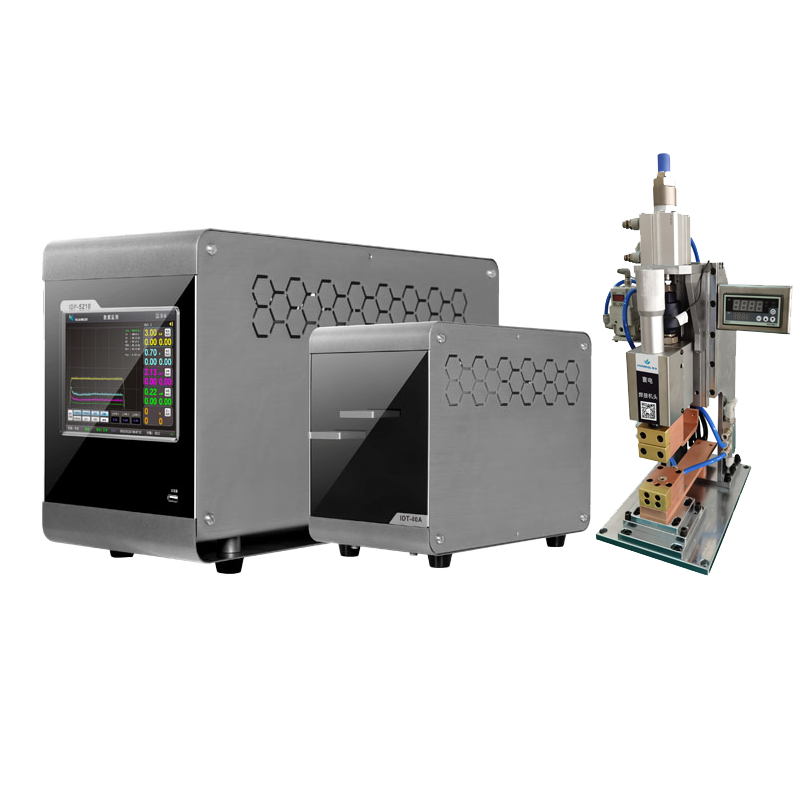
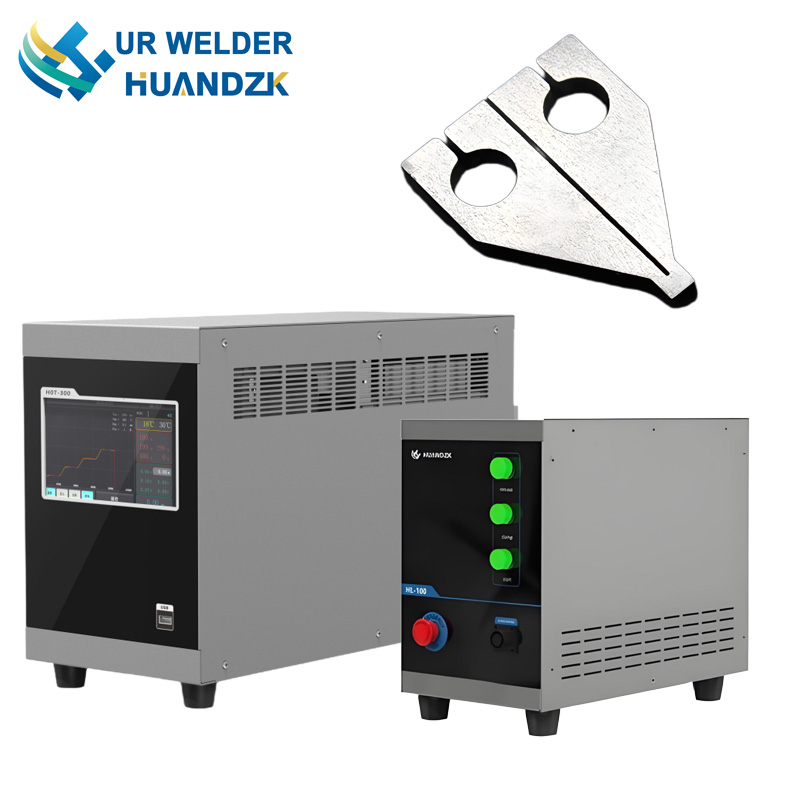
The rapid evolution of electronic manufacturing has driven demand for precision thermal joining, making the Pulse Heat Welder an essential tool in modern production lines. A Pulse Heat Welder delivers programmable heating, accurate pressure control, and stable cooling for high-reliability bonding. As components continue to shrink, the role of the Pulse Heat Welder in guaranteeing repeatable results becomes more critical across consumer electronics, automotive electronics, and industrial micro-assemblies.
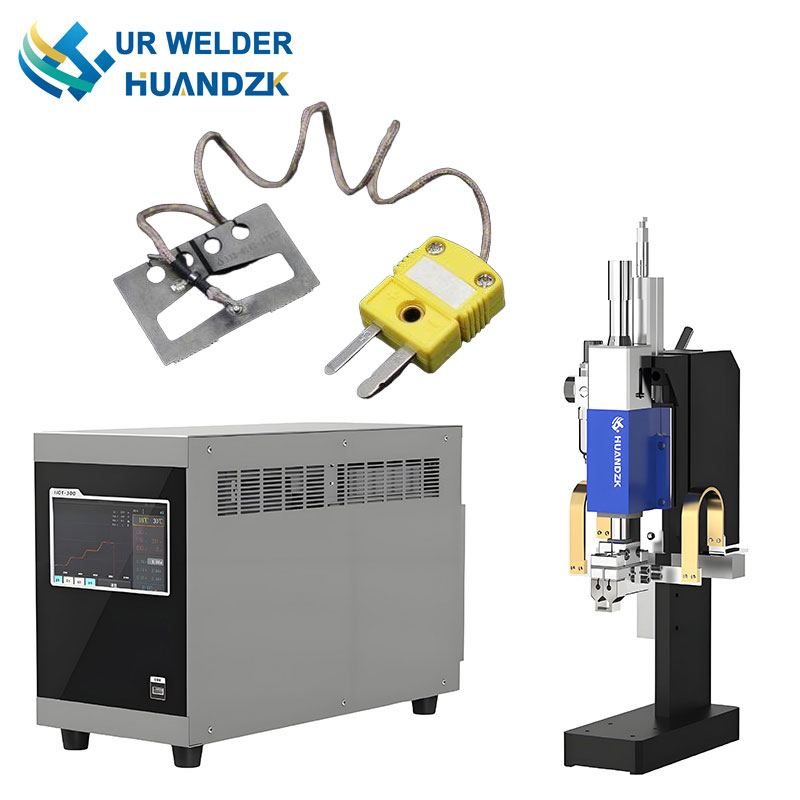
One of the core applications of this technology is Metal Pulse Heat Welding, which provides controlled heating for metal pads, terminals, leadframes, battery tabs, and shield cases. By using a Pulse Heat Welder configured for Metal Pulse Heat Welding, manufacturers benefit from rapid temperature rise, minimal thermal overshoot, and precise energy output. These characteristics are especially important when joining dissimilar metals or working with substrates that cannot tolerate excessive heat.
Another important capability is Metal Bonding by Pulse Heating, a process that uses localized and highly controlled thermal energy to create reliable metallurgical bonds. Metal Bonding by Pulse Heating offers excellent strength and durability, making it suitable for micro-connectors, EMI housings, nickel strips, copper terminals, and stainless-steel structures. Because Metal Bonding by Pulse Heating avoids unnecessary global heating, it prevents deformation or thermal damage to nearby components and adhesives. This local heating approach ensures stronger joints while protecting delicate materials such as polyimide films and thin copper traces.
As flexible electronics grow in popularity, FPC to PCB Pulse Heat Welding has become an indispensable bonding method for smartphones, laptops, wearables, cameras, AR modules, and medical sensors. FPC to PCB Pulse Heat Welding ensures stable connection between flexible printed circuits and rigid boards by controlling temperature, pressure, and bonding duration with high precision. A dedicated Pulse Heat Welder allows each FPC to PCB Pulse Heat Welding cycle to achieve optimal solder reflow or adhesive activation, ensuring consistent electrical conductivity and mechanical reinforcement. This is especially important for thin FPC materials and ultra-dense pad structures.
Alongside flexible circuit bonding, Fine Pitch Interconnect Welding continues to grow in demand as electronic assemblies incorporate smaller components and narrower pad spacing. Fine Pitch Interconnect Welding requires precise alignment, uniform compression, and tightly controlled heating to prevent bridging, pad lift, or substrate warpage. With a Pulse Heat Welder optimized for Fine Pitch Interconnect Welding, manufacturers achieve stable joining even at pitches below 0.3 mm. This makes Fine Pitch Interconnect Welding a key process for display modules, camera modules, sensor arrays, and high-density interconnect systems.
The synergy of these technologies—Pulse Heat Welder, Metal Pulse Heat Welding, Metal Bonding by Pulse Heating, FPC to PCB Pulse Heat Welding, and Fine Pitch Interconnect Welding—provides several unique advantages:
Pulse heating eliminates temperature fluctuations, reducing defects.
Localized heating protects heat-sensitive materials while ensuring strong joints.
- Exceptional process repeatability
Precision temperature and pressure control stabilize every weld cycle.
- Compatibility with micro-scale assemblies
Ideal for ultra-small components and fine-pitch pads.
- Full digital traceability
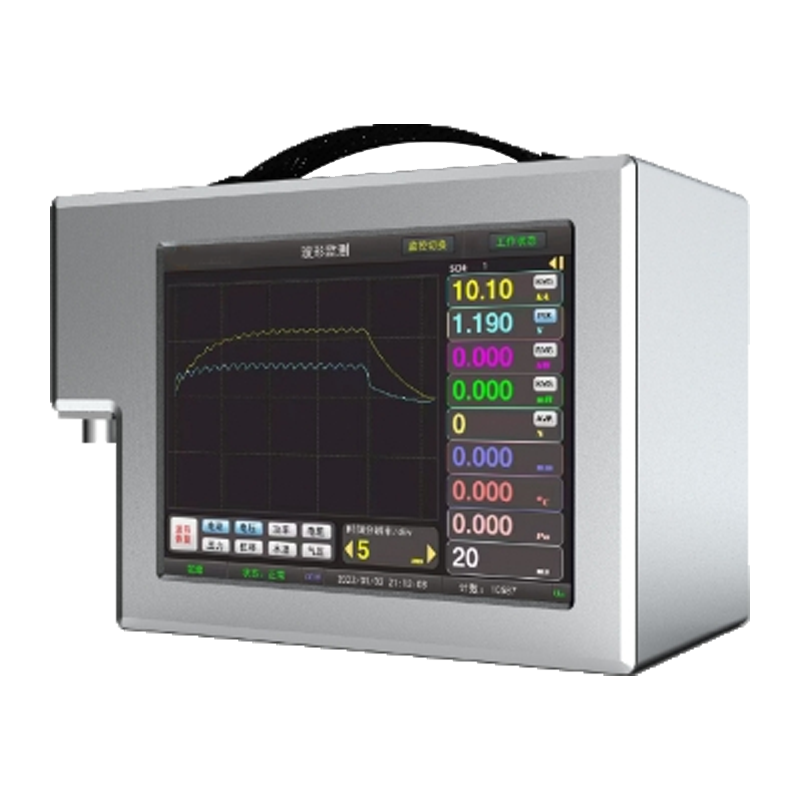
Temperature curves, pressure profiles, and heating data can be recorded for quality management.
Applications extend across consumer devices, automotive electronics, data communication hardware, aerospace modules, semiconductor packaging, and medical equipment. Whether bonding metal terminals, attaching flexible circuits, or connecting fine-pitch components, these pulse heat technologies ensure high-strength, high-reliability results.
In conclusion, by integrating Pulse Heat Welder systems with advanced Metal Pulse Heat Welding, reliable Metal Bonding by Pulse Heating, precise FPC to PCB Pulse Heat Welding, and ultra-fine Fine Pitch Interconnect Welding, manufacturers can achieve exceptional quality, high consistency, and robust performance across today's increasingly miniaturized electronic assemblies.