The Challenge: Welding Copper in the Age of Miniaturization
In the world of battery packs, connectors, and electromagnetic components, 600;">Copper remains the gold standard for conductivity. However, from a manufacturing perspective, Copper is often the "problem child."
Why? Because Copper is highly conductive and has a low melting point relative to its thermal diffusivity. Traditional AC or DC inverter welders often fail on copper terminals:
Electrode Sticking: Heat builds up slowly, causing the copper to fuse to the electrode tip.
Flash & Splatter: Excessive heat melts the surface before the core bonds.
Haz (Heat Affected Zone) Damage: Heat travels down the wire, melting insulation or weakening the tensile strength.
If you are manufacturing EV battery modules or high-end electronics, you know that traditional welding methods just don't cut it for Copper anymore. You don't just need a welder; you need a Precision Resistance Welding Machine.
The Solution: The Physics of CD Welding
Enter the Capacitor Discharge Resistance Welder—specifically, the ESW-200T.
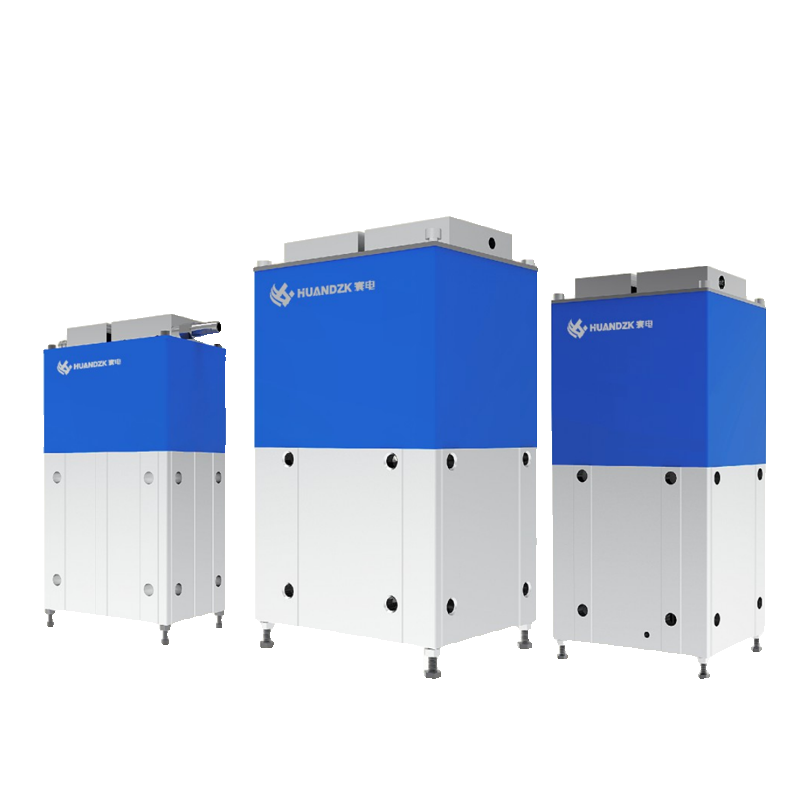
Unlike constant current or constant voltage machines that pour energy continuously into the workpiece, a CD welding machine (Capacitor Discharge) stores energy in a Capacitor Discharge Power Module and releases it in an extremely short burst—usually between 3 to 10 milliseconds.
Think of it as the difference between pouring a bucket of water on the ground (traditional welding) versus dropping a hammer on a nail (CD welding). The Capacitor discharge power module allows for:
Instantaneous Energy Release: The energy is discharged so fast that the Copper doesn't have time to oxidize or melt excessively.
Solid-State Bonds: The rapid heating and quenching cycle creates a true metallurgical bond without bulk melting.
Deep Dive: The ESW-200T Precision Resistance Welding Machine
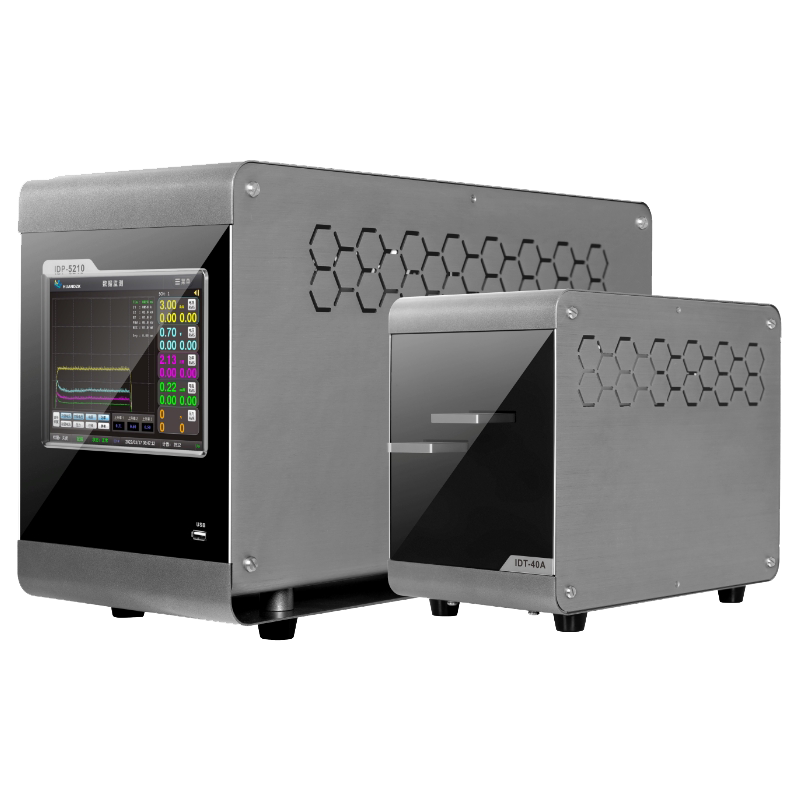
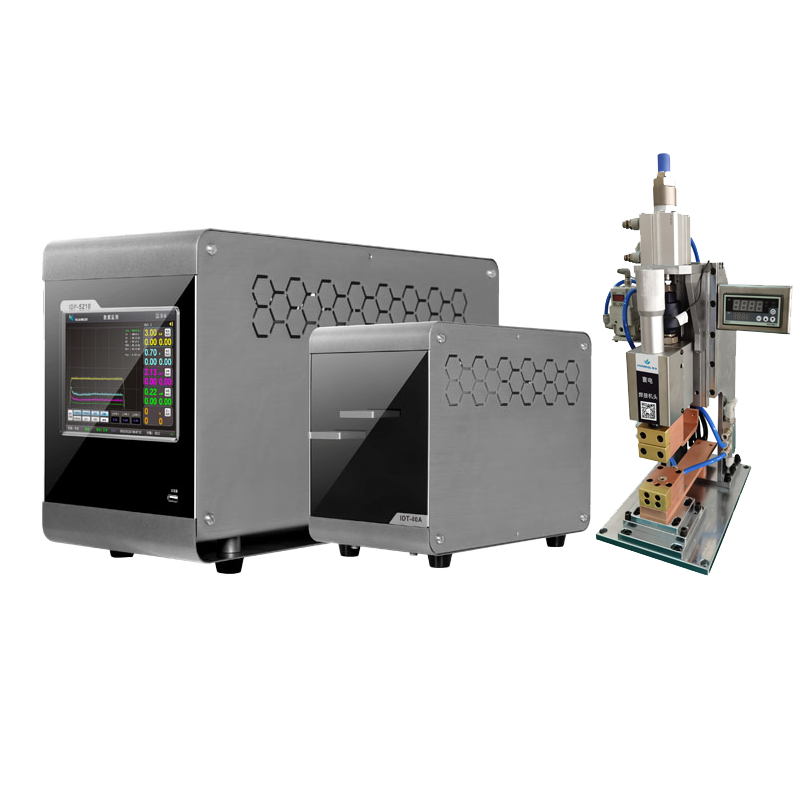
The ESW-200T isn't just another bench-top welder; it is a specialized Copper Terminal Welding Machine engineered for the unique thermal properties of non-ferrous metals.
Here is why the ESW-200T outperforms conventional welders in terminal-to-wire and cross-wire applications:
1. Zero Solder, Zero Burn-Through (The Copper Guarantee)
Because the ESW-200T utilizes a high-voltage discharge from its Capacitor Discharge Power Module, the pulse duration is incredibly short. This means the heat generated at the faying surface (the interface between the copper terminal and the wire) melts instantly, but the heat does not have time to travel up the terminal.
2. Programmable Precision for Micro-Welding
The ESW-200T features advanced feedback control. For Precision Resistance Welding Machine applications, consistency is king. The machine allows you to fine-tune:
Charging Voltage (Energy): Dial in the exact Joules needed.
Electrode Force: Servo or pneumatic control to ensure the pressure matches the energy release.
Pulse Shaping: Unlike basic CD welders, the ESW-200T can handle multi-pulse discharge for complex geometries.
3. Non-Ferrous Metal Mastery
While standard welders struggle with Copper, Aluminum, and Brass, the ESW-200T is designed as a dedicated Copper Terminal Welding Machine. It is particularly effective for:
Battery tab welding (copper to copper).
Enameled wire termination (the discharge burns off insulation and welds in one step).
Replacement for ultrasonic welding (quieter, lower cost per weld, and no heavy vibration).
Technical Specs Overview (ESW-200T)
To satisfy the technical buyers searching for a Capacitor Discharge Resistance Welder, here are the critical differentiators of the ESW-200T:
Energy Range: 200 Joules (Ideal for terminal sizes ranging from 0.1mm² to 10mm²).
Discharge Time: 3ms – 10ms (Sub-cycle welding prevents intermetallic growth).
Control System: Microprocessor-controlled charging circuit for +/- 1% energy repeatability.
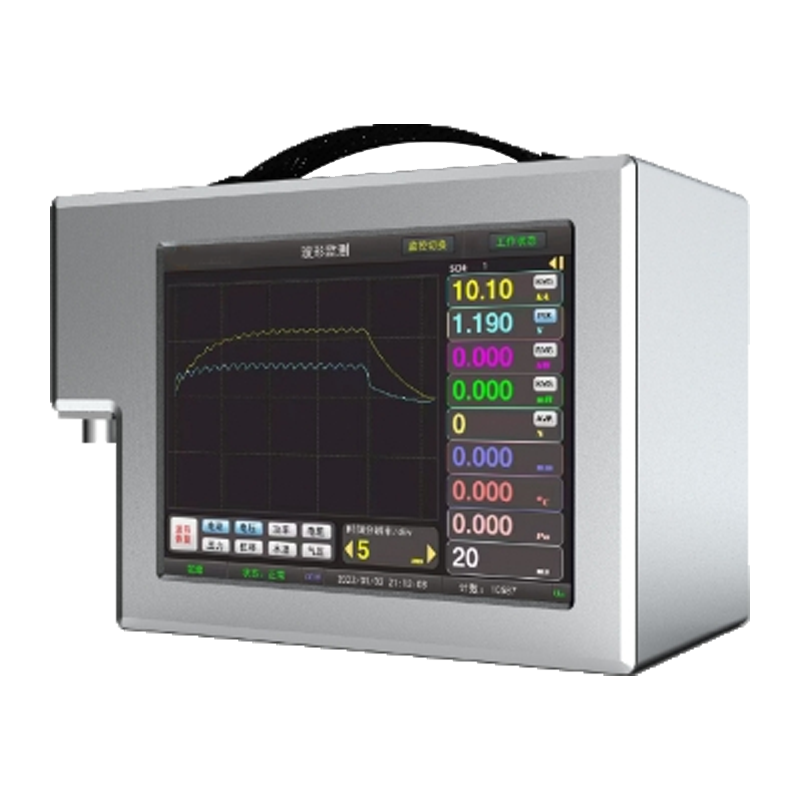
Interface: LCD display with weld counter and energy monitor.
Electrode Options: Molybdenum or Dispersion Strengthened Copper electrodes for longevity when welding similar metals.
Why Choose CD Technology over Traditional AC/Inverter?
If you are still using a traditional spot welder for copper terminals, you have likely encountered "expulsion" (sparks flying) and inconsistent pull-test results.
| Feature | Traditional AC Welders | ESW-200T (CD Welder) |
|---|
| Heat Buildup | Slow (1-10 cycles) | Instantaneous (1 cycle) |
| Copper Welding | High risk of sticking | Minimal sticking, clean finish |
| Power Supply | Requires heavy 220V/3-phase | Standard 110V-220V, low peak demand |
| Electrode Life | Short (Cu sticks to tips) | Long (Surface stays cool) |
For Copper Terminal Welding Machine applications, the Capacitor Discharge method is objectively superior because it bypasses the physical property that makes copper hard to weld: its high thermal conductivity.
Applications: Where the ESW-200T Excels
EV Battery Manufacturing: Welding copper buss bars to copper terminals.
Magnet Wire Termination: Welding copper wire to relay lugs without stripping insulation.
Consumer Electronics: Welding small copper terminals on battery packs for power tools.
Automotive Harnesses: Joining copper grounding terminals.
Conclusion: Upgrade to the ESW-200T
You don't need to struggle with deformed terminals or weak welds anymore. The ESW-200T combines the physics of Capacitor Discharge with the engineering of a Precision Resistance Welding Machine.
Whether you need a Capacitor Discharge Power Module for an automated assembly line or a standalone CD Welding Machine for your R&D lab, the ESW-200T offers the accuracy, speed, and power required for modern copper terminal joining.
Ready to eliminate scrap and improve conductivity? Check the datasheet for the ESW-200T today.