Understanding Spot Welding Machines: Performance, Configuration, and Cost Factors
Spot welding remains one of the most widely used joining processes in metal fabrication, automotive manufacturing, and appliance production. Selecting the right equipment requires a clear understanding of spot welding machine types, performance parameters, and operating features. From cooling design to control systems, modern spot welders are engineered to deliver stable quality under demanding production conditions.
Spot Welding Machine Types for Different Applications
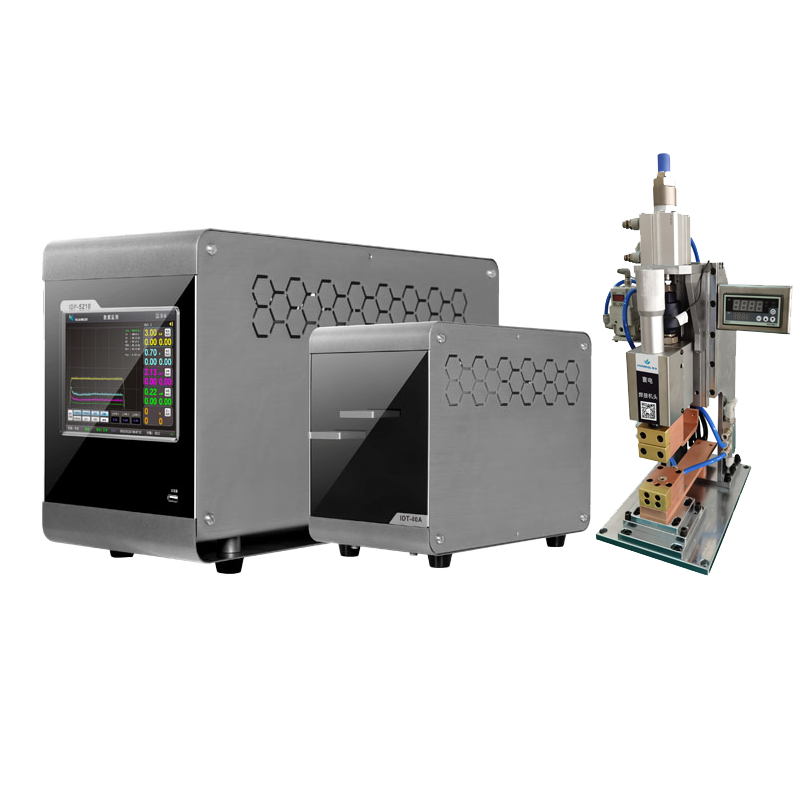
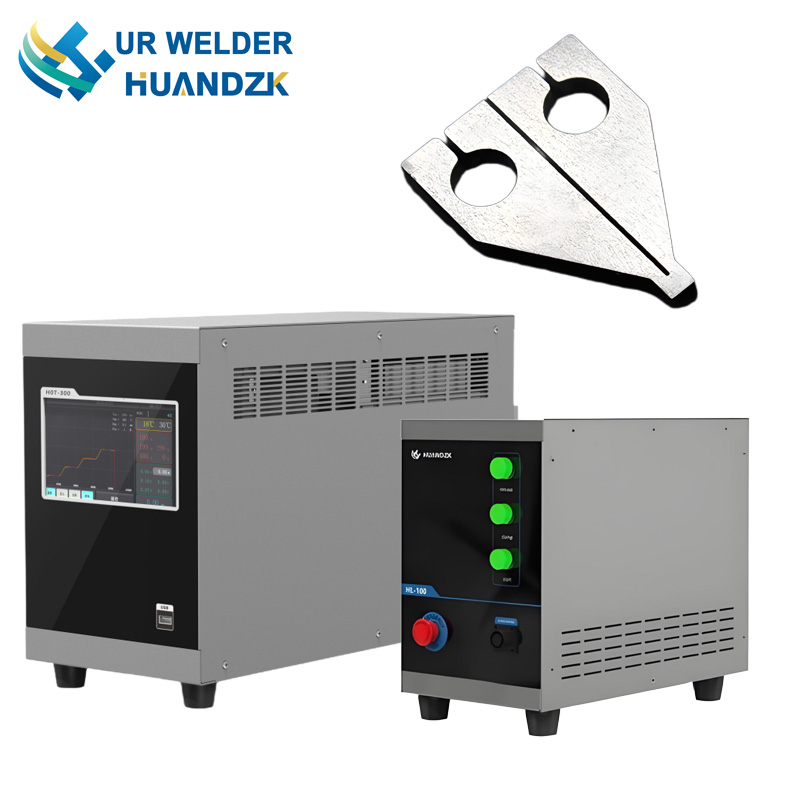
There are several spot welding machine types available on the market, each designed for specific production needs. Common spot welding machine types include AC spot welders, MFDC spot welders, and capacitor discharge systems. Portable guns, stationary press-type machines, and robotic-integrated units further expand the range of spot welding machine types used in industry.
Choosing the correct spot welding machine types depends on material thickness, conductivity, cycle time, and automation level. For high-volume automotive lines, advanced spot welding machine types with digital controllers and real-time monitoring are preferred.
The Importance of an Efficient Spot Welder Cooling System
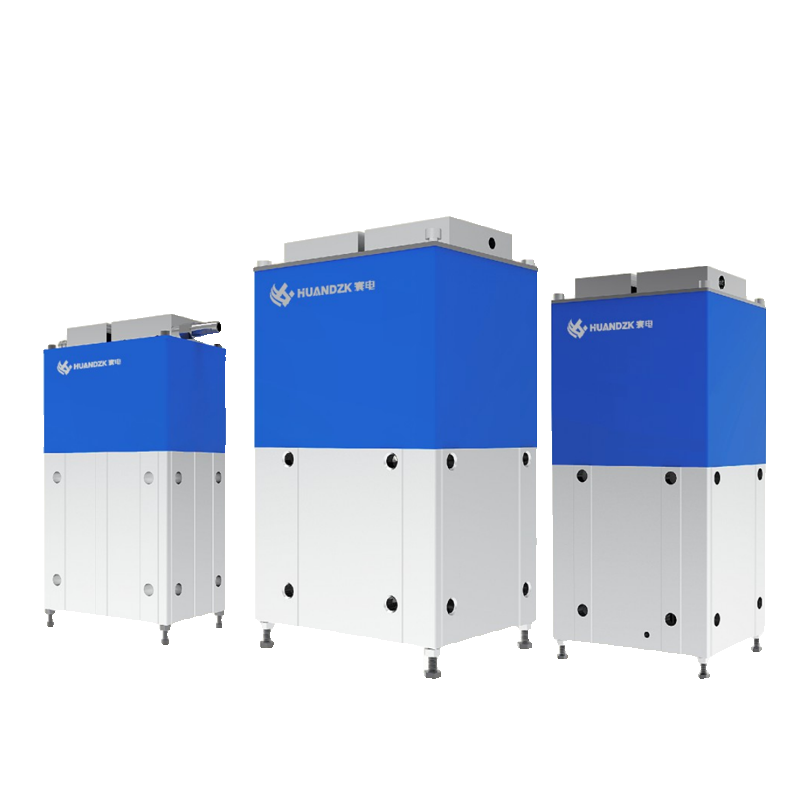
A reliable spot welder cooling system is critical for maintaining consistent weld quality and extending equipment life. During continuous operation, electrodes, transformers, and cables generate significant heat. An optimized spot welder cooling system prevents overheating and ensures stable current output.
Most industrial machines use water-based spot welder cooling system designs, which cool electrodes, welding arms, and power components simultaneously. A well-designed spot welder cooling system reduces electrode wear, minimizes downtime, and supports long production cycles without performance degradation.
Key Spot Welding Machine Specifications to Consider
When evaluating equipment, spot welding machine specifications provide essential insight into performance capability. Important spot welding machine specifications include rated power (kVA), maximum welding current, duty cycle, throat depth, and electrode force range.
Modern spot welding machine specifications also cover control accuracy, data storage, and communication interfaces. Understanding spot welding machine specifications allows manufacturers to match the machine precisely to their application, ensuring both efficiency and weld consistency.
Role of the Spot Welding Machine Timer in Quality Control
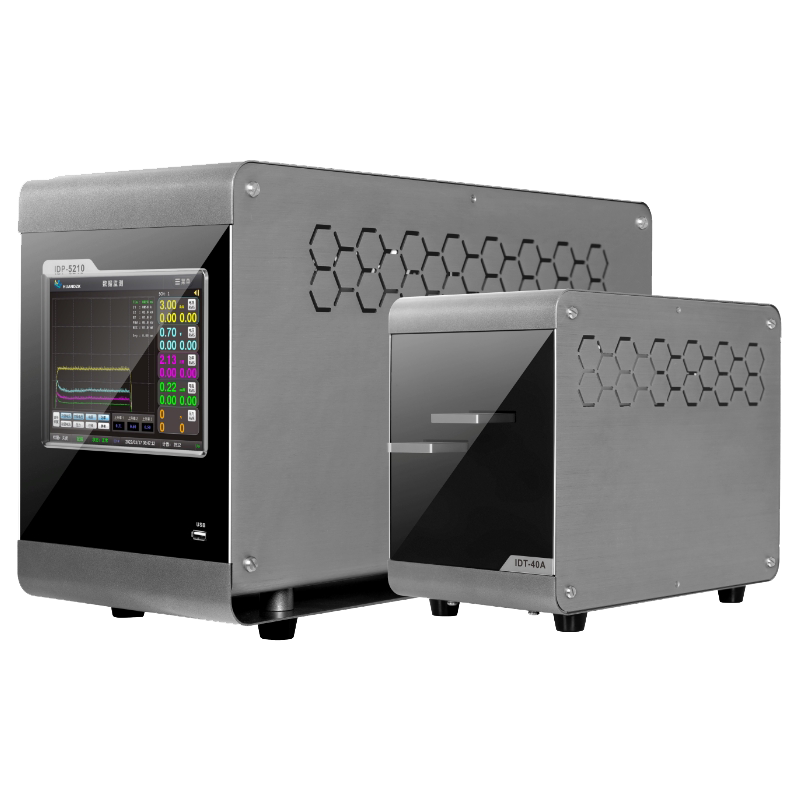
The spot welding machine timer is a core element of welding control. By precisely regulating squeeze time, weld time, and hold time, the spot welding machine timer ensures repeatable weld nuggets across different materials and thicknesses.
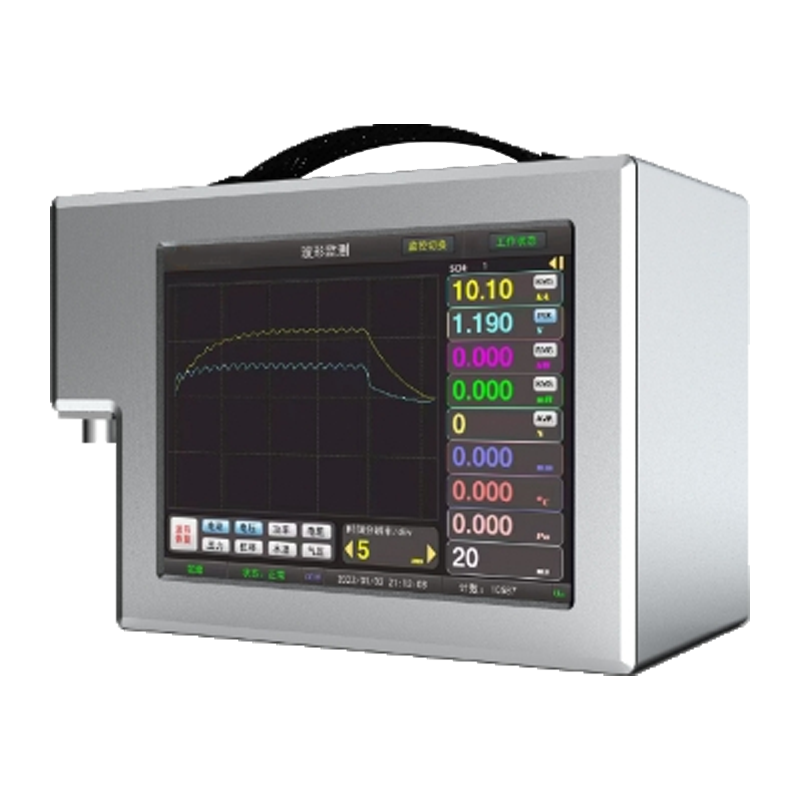
Advanced digital controllers integrate the spot welding machine timer with current and force feedback. This enables adaptive control and fault detection. In automated lines, a reliable spot welding machine timer is essential for meeting strict quality standards and reducing rework rates.
Understanding Point Welding Machine Price Factors
Many buyers focus heavily on point welding machine price, but cost should always be evaluated alongside performance and durability. The point welding machine price varies depending on power level, control system, cooling design, and automation compatibility.
Entry-level machines may offer a lower point welding machine price, but often lack advanced monitoring and long-term stability. High-end systems with optimized spot welder cooling system, precise spot welding machine timer, and comprehensive spot welding machine specifications provide better return on investment despite a higher initial point welding machine price.
Balancing Cost and Performance
To achieve the best value, manufacturers should compare point welding machine price against productivity, maintenance cost, and expected service life. A machine with advanced spot welding machine types and robust cooling may significantly reduce operating expenses over time.
By carefully reviewing spot welding machine specifications and understanding how the spot welder cooling system and spot welding machine timer affect weld quality, buyers can make informed purchasing decisions that support long-term production goals.
Conclusion
Selecting the right spot welding solution requires more than comparing point welding machine price alone. By understanding different spot welding machine types, evaluating detailed spot welding machine specifications, ensuring an efficient spot welder cooling system, and relying on a precise spot welding machine timer, manufacturers can achieve stable weld quality, higher productivity, and reliable operation in modern industrial environments.